
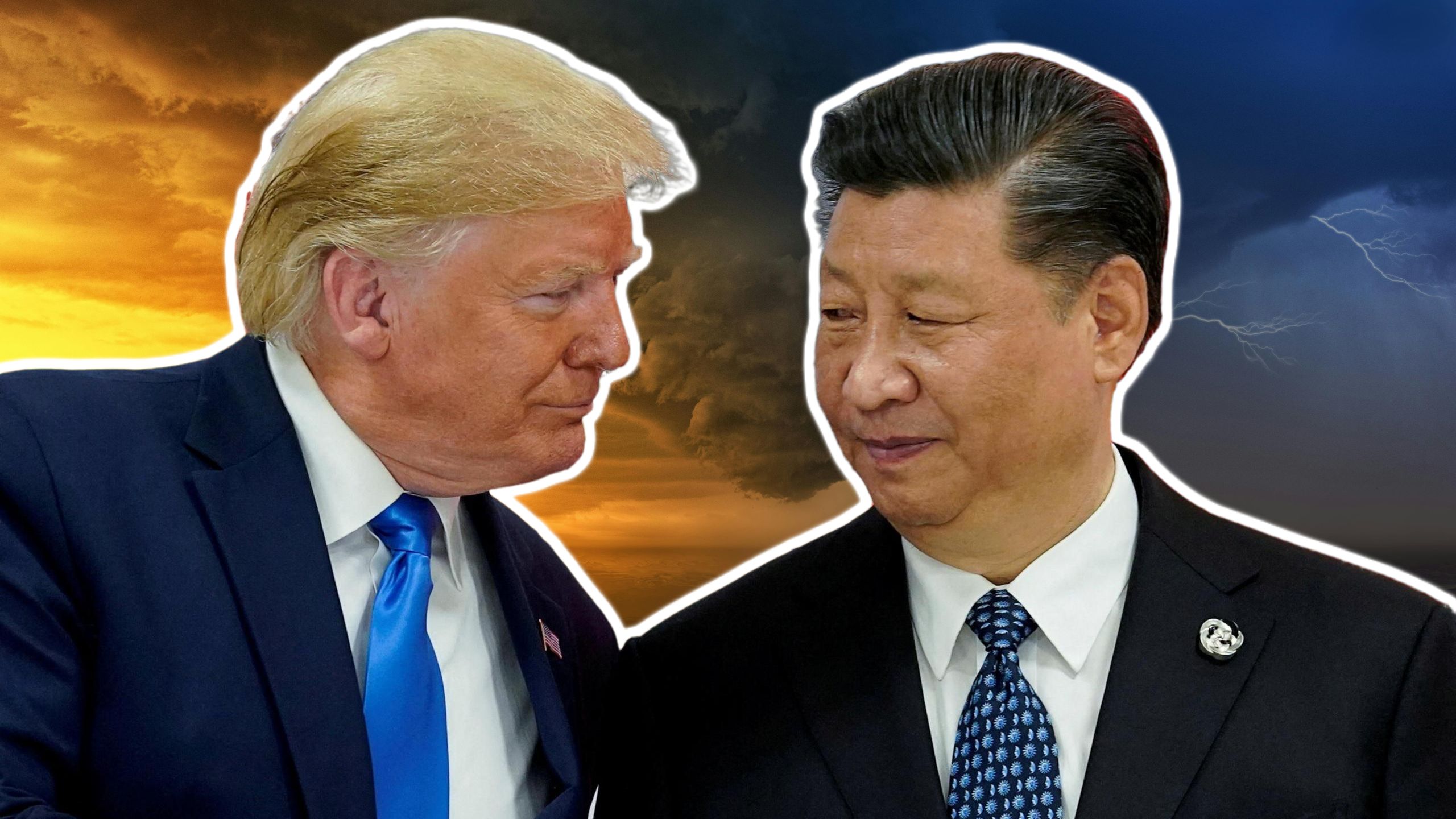

President Trump just dropped another headline that has the foreign policy crowd scrambling, and this one is a classic mix of swagger, diplomacy, and just enough ambiguity to keep everyone guessing. According to Trump, the Strait of Hormuz is now “permanently open” following behind-the-scenes talks with Chinese leader Xi Jinping, and apparently part of that deal includes China agreeing to stop sending weapons to Iran.
That is a pretty bold claim, especially considering the Strait of Hormuz is not just any stretch of water. It is one of the most critical oil chokepoints on the planet, with roughly 20 percent of the world’s supply moving through it under normal conditions. When that flow gets disrupted, gas prices spike, markets panic, and suddenly everyone starts paying a lot more attention to a place they probably could not find on a map last week.
Trump made the announcement on Truth Social, saying China is “very happy” about the situation and that he is opening the strait “for them, also – And the World.” That is vintage Trump, framing a global geopolitical move as both a strategic win and a favor to everyone involved. He also claimed Xi agreed to cut off weapons shipments to Iran, which, if true, would mark a significant shift given China’s recent cooperation with Tehran during the conflict.
Of course, there is a bit of a gap between what is being said and what is actually confirmed. China has publicly criticized the U.S. naval blockade in the region, calling it “dangerous and irresponsible.” That does not exactly sound like a country fully on board with Washington’s strategy. Still, diplomacy often happens behind closed doors, and Trump has never been shy about claiming progress before the ink is dry.
Meanwhile, the military situation remains tense. The U.S. has been actively blocking oil tankers, deploying additional forces, and maintaining pressure on Iran after negotiations collapsed. Iran, for its part, has been using drones, mines, and fast boats to harass shipping traffic, while selectively allowing certain countries like China to pass more freely. That kind of behavior tends to complicate any claim that the strait is suddenly “permanently open.”
Then there is the economic angle. Gas prices are already climbing, with crude hovering above $100 per barrel. American consumers are feeling it, and that adds urgency to resolving the situation. Trump has made it clear he wants a deal, but he is also signaling that military strength is still very much on the table, saying the U.S. is “far better than anyone else” when it comes to fighting.
The upcoming summit in Beijing could be where things either come together or fall apart. Trump and Xi are expected to meet face-to-face, with trade, rare earth minerals, and the Iran situation all on the agenda. Trump even joked about getting a “big, fat, hug,” which, while colorful, probably is not an official diplomatic term.
At the end of the day, this is a high-stakes chess match involving energy markets, military power, and global alliances. Trump is betting that pressure plus negotiation can deliver results. Whether that “permanently open” claim holds up is something the world is about to find out in real time.
Leave a Comment