
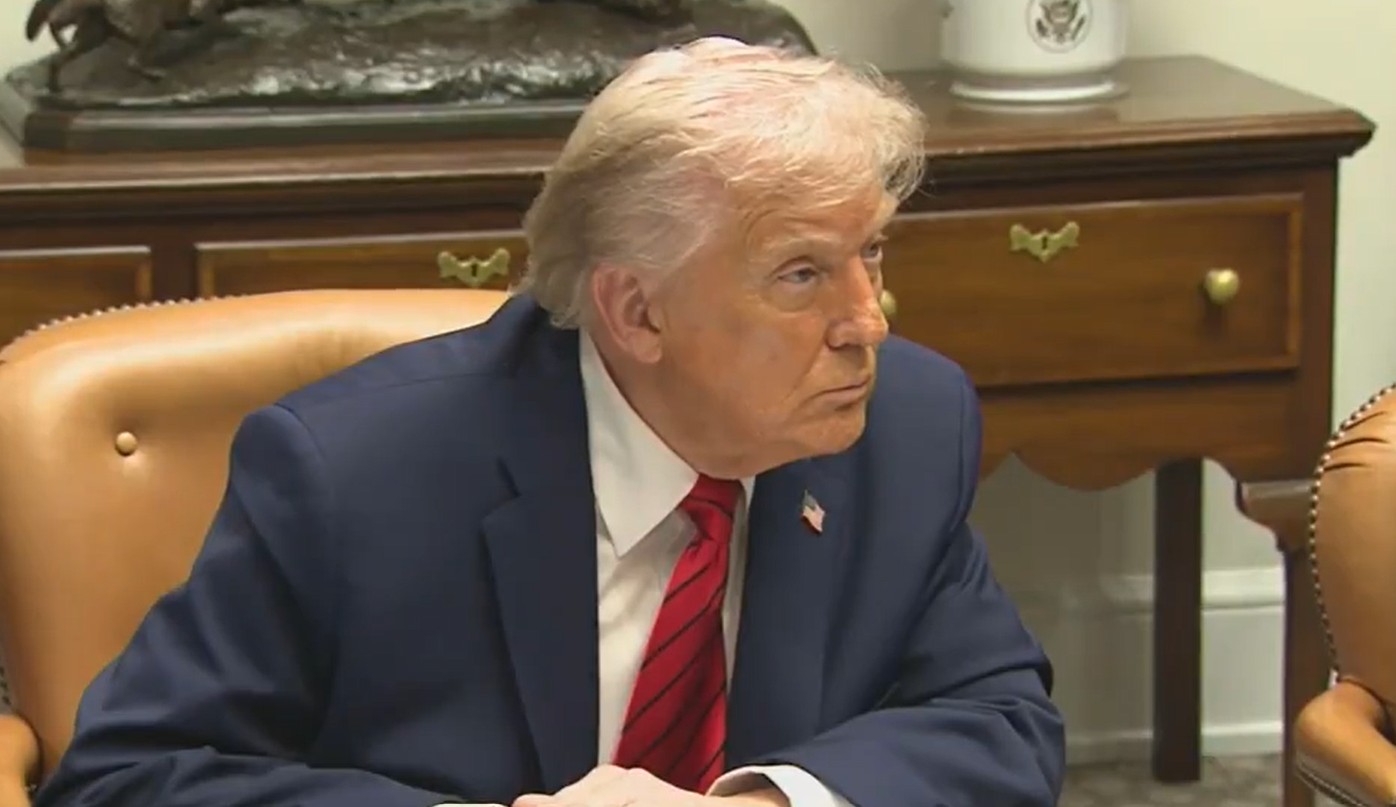

President Trump announced Tuesday that he is abandoning his proposal to impose a 20% fee on cargo moving through the Strait of Hormuz, opting instead to pursue trade and investment agreements with Gulf nations that he says will provide greater long-term benefits for the United States.
The decision marks a significant shift from the plan unveiled just one day earlier. President Trump had originally proposed the fee as a way for the United States to be compensated for helping secure one of the world’s most important shipping routes. The Strait of Hormuz serves as a critical artery for global energy markets, with a substantial portion of the world’s oil and natural gas shipments passing through the narrow waterway.
After discussions with regional leaders, however, President Trump indicated that direct investment into the American economy would be a more productive path forward.
“Based on highly productive conversations with Middle East leadership, I have decided to replace the 20% United States Reimbursement Fee with Trade and Investment Deals that the various Gulf States will be making into the United States,” Trump wrote on Truth Social.
While the president did not identify specific agreements or provide details regarding the size of the anticipated investments, he expressed confidence that the economic impact would be substantial.
“Investments will be MASSIVE but, at the same time, extraordinarily good for them, and their future,” he added.
The announcement came shortly after the International Maritime Organization, the United Nations agency responsible for shipping matters, voiced opposition to fees imposed on vessels traveling through international waterways. Although the organization stopped short of directly condemning President Trump’s proposal, it noted concerns about such charges and indicated it would review any formal details before taking a position.
Rather than moving forward with the fee structure, the administration appears to have chosen a strategy centered on strengthening economic ties with Gulf partners while maintaining pressure on Iran.
President Trump also announced that commercial traffic through the Strait of Hormuz will remain open to virtually all nations except Iran.
“We will therefore have a FULL Blockade, but only on Ships coming to and from Iranian ports, or carrying anything have to do with Iranian cargo,” Trump wrote.
The president emphasized that the broader shipping route would remain accessible for international commerce and energy transportation.
“The Hormuz Strait is OPEN, and will remain OPEN, with or without Iran. We are reinstating the THE IRANIAN BLOCKADE, so named because it is only stopping Iran’s ships or customers from entering or leaving. All other countries will have fair and open use of the Strait.”
The policy reflects a familiar approach from President Trump: combining economic pressure on adversaries with efforts to expand American investment opportunities abroad. Rather than collecting revenue through shipping fees, the administration is betting that deeper economic partnerships with Gulf states can generate greater returns for American workers, businesses, and investors.
The coming weeks will likely determine whether the promised investment agreements materialize and whether they deliver the economic benefits President Trump predicts. For now, the administration has stepped away from a controversial shipping fee proposal while maintaining a hard line against Iran and keeping one of the world’s most important maritime corridors open for global commerce.
Leave a Comment