
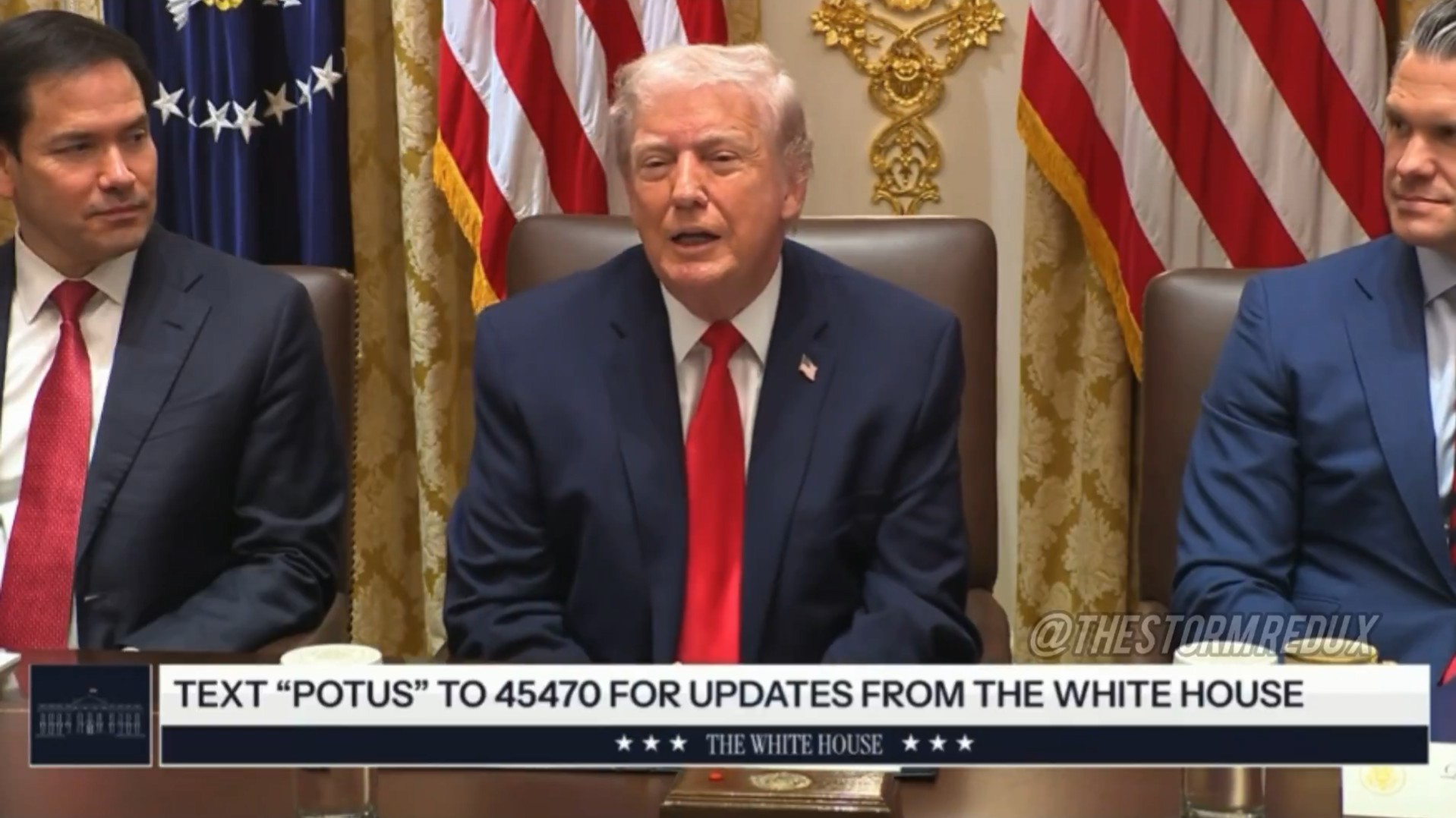

President Trump announced Saturday that negotiations with Iran have produced what he described as a largely completed memorandum of understanding aimed at permanently ending the conflict between the two countries. After months of military escalation, economic pressure, and fears of a wider Middle East war, the administration now says the framework for peace is nearing final approval.
In a Truth Social post, President Trump revealed that the agreement has been “largely negotiated,” with only final details still under discussion between the United States, Iran, and several regional governments involved in the talks.
“An Agreement has been largely negotiated, subject to finalization between the United States of America, the Islamic Republic of Iran, and the various other Countries, as listed,” President Trump wrote. “In addition to many other elements of the Agreement, the Strait of Hormuz will be opened.”
That last detail alone is massive. The Strait of Hormuz is one of the world’s most important oil shipping routes, and tensions surrounding it have repeatedly threatened global energy markets. Every time Iran hinted at restricting access, oil traders reacted like somebody yelled “fire” in a crowded theater full of economists.
According to reports, the proposed memorandum establishes a phased process designed to gradually de-escalate tensions while addressing long-term security concerns. The first stage would formally end active hostilities and restore stable maritime access through the Strait of Hormuz. Additional negotiations would then continue over a 30-to-60-day period focusing on Iran’s nuclear activities, sanctions relief, and broader regional security arrangements.
Sources familiar with the discussions say the draft agreement includes Iranian commitments not to pursue nuclear weapons, provisions involving enriched uranium stockpiles, and guarantees preventing new shipping tolls or restrictions in the strait. In exchange, the United States would reportedly ease certain sanctions, lift restrictions affecting Iranian ports, and allow broader oil exports.
Secretary of State Marco Rubio hinted that further updates could arrive soon following diplomatic meetings in India. Meanwhile, President Trump reportedly held direct discussions with leaders from Saudi Arabia, Qatar, the United Arab Emirates, Jordan, Egypt, Turkey, Pakistan, and Israel as negotiations intensified.
Pakistan has reportedly played a central role serving as mediator between the United States and Iran during indirect talks. That alone probably surprised many Americans who still think Pakistan only enters the news whenever cable networks need dramatic maps and ominous music.
The negotiations build upon a fragile ceasefire reached earlier this year after a period of heightened military confrontation. Among the unresolved issues reportedly still under discussion are enhanced inspection measures for Iran’s nuclear infrastructure, guarantees against future military strikes, and arrangements concerning Hezbollah-related tensions in Lebanon.
Iranian officials confirmed that the latest proposals are currently under review by the country’s Supreme National Security Council and ultimately require approval from Supreme Leader Ayatollah Mojtaba Khamenei. Iranian Foreign Ministry spokesman Esmail Baghaei acknowledged that disputes remain over “one or two clauses” but admitted negotiations have moved toward reducing tensions.
For President Trump, the potential agreement represents a major test of his “peace through strength” strategy. The administration combined heavy military pressure with aggressive diplomacy, forcing Iran back to the negotiating table after months of brinkmanship.
Washington’s foreign policy establishment spent years insisting that approach could never work. Yet here they are again, watching Trump potentially pull off another deal everyone supposedly said was impossible.
Leave a Comment