
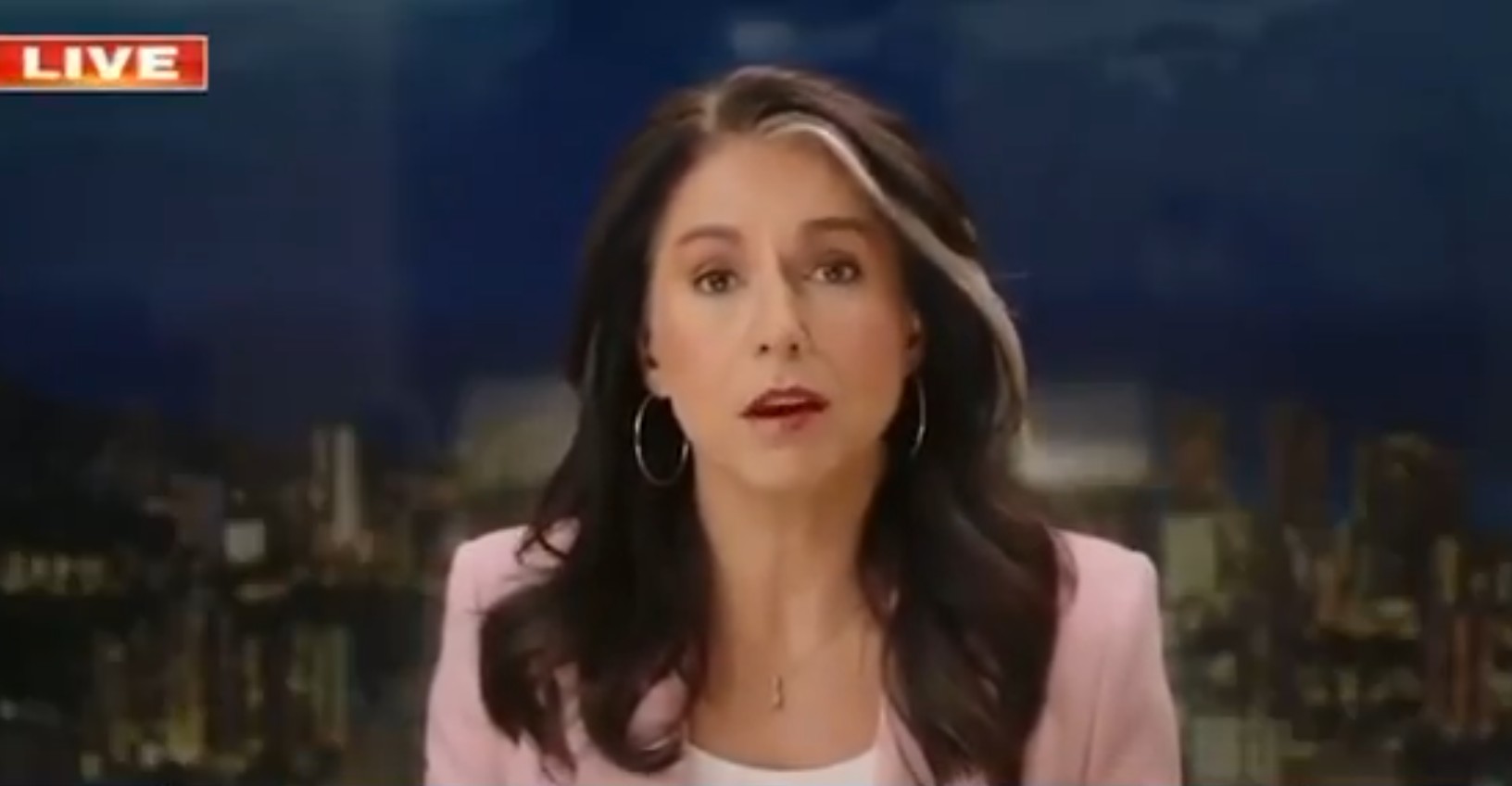

President Trump announced Friday that Aaron Lukas will step in as acting director of national intelligence after Tulsi Gabbard exits the administration at the end of June. The announcement came with the kind of political drama Washington practically runs on these days, because apparently even a resignation tied to a family health crisis has to come packaged with anonymous leaks and whispers about White House tensions. This is D.C., after all. Nobody is allowed to simply leave a job quietly anymore.
In a Truth Social post, President Trump praised Gabbard’s performance, saying she had done “an incredible job” and that the administration would miss her. He also pointed to the real reason behind her departure, her husband’s diagnosis with a rare form of bone cancer. Gabbard confirmed she is stepping down effective June 30 in order to support her husband during treatment.
Frankly, that is hard to criticize from any angle. Politics is brutal enough without pretending family comes second to cable news appearances and bureaucratic meetings that could have been emails in the first place.
Gabbard posted her resignation letter on X and thanked President Trump for giving her the opportunity to serve. She wrote, “I cannot in good conscience ask him to face this fight alone while I continue in this demanding and time-consuming post.” That is a pretty human statement in a political environment that usually sounds like it was written by three consultants and a focus group.
At the same time, reports quickly surfaced suggesting the departure may not have been entirely voluntary. Fox News Digital reported that Gabbard informed President Trump of her intentions during a Friday Oval Office meeting, while another source familiar with the situation claimed she was forced out by the White House. Naturally, the anonymous source arrived right on schedule, because Washington insiders treat unnamed leaks like a competitive sport.
There had already been signs of friction between President Trump and Gabbard on policy matters, especially involving Iran. Back in March, President Trump publicly suggested Gabbard was “softer” than he was when it came to stopping Tehran’s nuclear ambitions. That difference matters because President Trump has consistently taken a hardline stance against Iran’s regime, while parts of the intelligence community have often leaned toward a more cautious diplomatic posture.
Still, despite those disagreements, President Trump’s public comments Friday were respectful and supportive. That alone stands out in modern politics where departures usually end with scorched-earth interviews and dramatic tell-all books nobody actually finishes reading.
Aaron Lukas now steps into the role on an interim basis. Lukas has been serving as principal deputy director of national intelligence, making him the obvious choice to keep operations steady during the transition. Intelligence leadership is not exactly the kind of position where you want confusion or chaos, especially with growing global tensions involving China, Russia, Iran, and ongoing instability in the Middle East.
For now, the focus appears to be on Gabbard’s family and her husband’s health battle. Whatever disagreements may have existed behind closed doors, stepping away to support a spouse facing cancer is something most Americans can understand immediately. Even Washington should be capable of understanding that, though expecting restraint from political insiders might be asking a little too much.
Leave a Comment