

France’s unrest is being presented as a student and cost-of-living uprising by the country’s government and much of its mainstream press, according to the report. But the scenes described are far more severe than a noisy rally. Rioters have burned property, looted businesses, vandalized public spaces, and attacked government buildings across several French cities. The result is a familiar political argument, with officials pointing to immediate protests while critics point to years of migration and assimilation policies.
The report says a weeks-long multicultural youth revolt merged with far-left demonstrations, producing clashes with police, mass looting, vandalism, and arson. In Limoges, a fire destroyed much of the tower of the historic City Hall. The building was constructed in 1883 and became a historic landmark in 1975, making the damage more than another line in a protest report. Apparently, even architectural history is now expected to survive the latest ideological street fight without assistance.
French Interior Minister Laurent Nuñez described the violence this way: “Outrages were committed by several thousand far-left individuals determined to target our public buildings and confront our law enforcement forces. Later, they were joined by delinquents who looted and ransacked numerous businesses in several cities across France: Paris, Marseille, Lyon, Bordeaux, Rennes, Strasbourg, Grenoble, Nice, Limoges, … and many others,” Nuñez said.
Nuñez said Sunday morning that over 2,000 people had been arrested and more than 600 police officers, gendarmes, and firefighters had been injured. Those figures, as reported, describe a public-order crisis rather than a minor demonstration. The Macron government has focused attention on the far-left La France Insoumise party, associated with presidential candidate Jean-Luc Mélenchon, and its alleged role in stoking the unrest. Critics argue that explanation leaves out the longer policy story, including mass migration and the growth of ethnic enclaves in suburbs such as Saint-Denis.
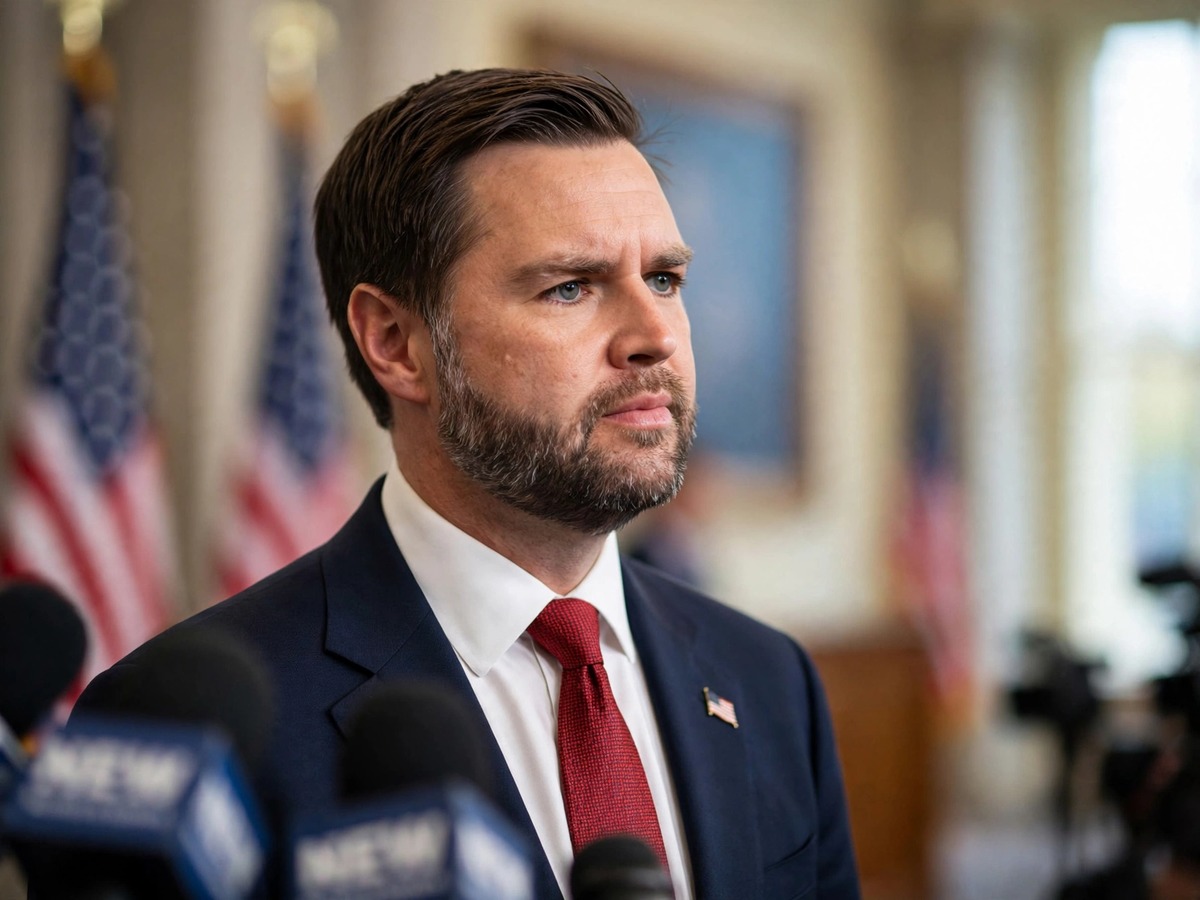
Vice President JD Vance offered a blunt warning, arguing that Western governments had ignored assimilation and compatibility while pursuing diversity and compassion. He remarked: “Western liberals imported the third world into France and other countries in the name of diversity and compassion. They ignored fundamental questions of assimilation and compatibility. They were told it would lead to this and they didn’t listen. “I pray that France, a beautiful country of amazing people, will stop this madness before more of its landmarks burn. And I hope Americans are paying attention. This is the future congressional Democrats seek for your country.”
Fox News provided additional details about Limoges. Local prefect Maurice Barate said, “The roof has collapsed onto lower floors, except the west wing, and two-thirds of the exterior has already disappeared.” Barate called the damage “a deliberate act by hooligans” and “a catastrophe for heritage.” The destruction came as far-left anti-government protests and clashes entered their fourth week over the cost of living. Nice Mayor Éric Ciotti also warned that Islamist and far-left movements threatened the republic, pointing to Palestinian flags, community slogans, and groups connected to the Muslim Brotherhood.
On Saturday, outgoing President Emmanuel Macron wrote on social media, “There is no place for violence in our republic.” That statement is difficult to dispute, though it does not answer how the unrest reached this point or whether the state will protect its public buildings. The supplied report said Vance’s comments received widespread interaction online, including criticism of assimilation policies and anger over the destruction of France’s sovereignty and history.
For Americans, Vance’s warning is not abstract in his telling. He is asking them to watch what happens when officials treat assimilation as an optional detail and public disorder as a public-relations problem. France’s reported injuries, arrests, and burning landmarks have made that warning the central political question surrounding the unrest.
Leave a Comment