
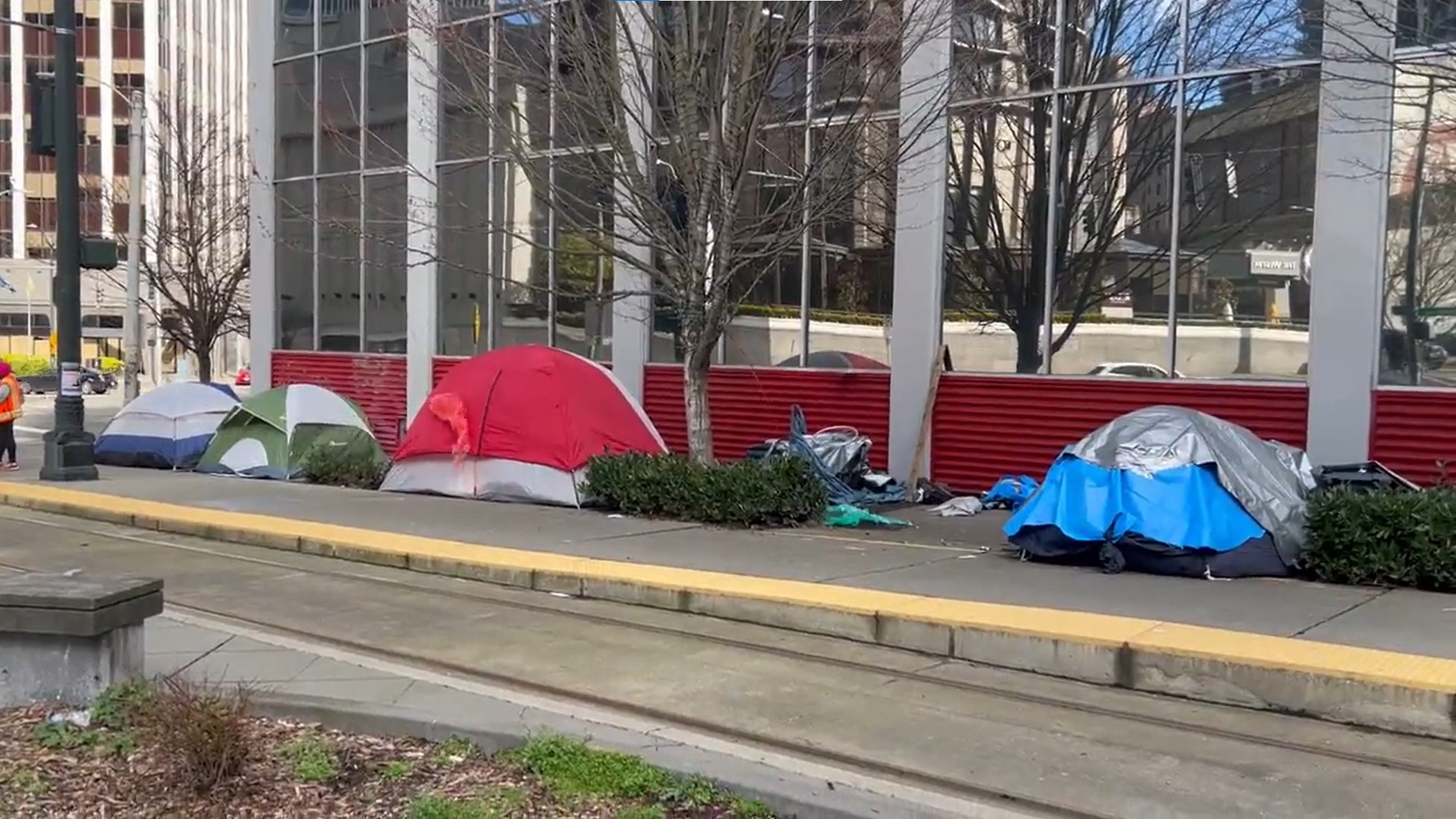

For years, Americans have been told that concerns about election integrity are basically the political equivalent of believing Bigfoot stole your lawn mower. Meanwhile, federal prosecutors just unveiled a case out of California involving a woman accused of paying homeless individuals on Skid Row to register to vote, while allegedly using her own address on registration forms so ballots could be mailed somewhere the registrants did not actually live. Totally normal stuff, apparently.
The Department of Justice announced that 64-year-old Brenda Lee Brown Armstrong, also known as “Anika,” has agreed to plead guilty to one federal felony count of paying another person to register to vote. The charge carries a maximum prison sentence of five years. According to prosecutors, the scheme stretched across nearly two decades and revolved around California’s lucrative petition-signature industry.
Armstrong reportedly worked as a petition circulator for about 20 years, gathering signatures for ballot initiatives, recalls, and referendums throughout Los Angeles County. Petition circulators are generally paid per valid signature, meaning signatures from registered voters are worth more money. Funny how financial incentives sometimes lead people toward incredibly questionable decisions. Human nature strikes again.
Federal investigators say Armstrong spent years operating around Los Angeles, particularly in Skid Row, where large homeless populations made it easier to gather signatures quickly. Prosecutors allege she routinely paid people between $2 and $3 cash to sign petitions connected to California ballot measures.
Then things allegedly escalated further.
Beginning no later than 2025, investigators say Armstrong expanded the operation by paying individuals not only to sign petitions but also to fill out voter registration forms. Since many homeless individuals lacked permanent addresses, prosecutors claim Armstrong used her former Los Angeles address on some registration documents. Under California’s universal mail-in voting system, ballots could then be mailed to an address where the registered individuals did not actually reside.
That detail alone should probably trigger at least a tiny amount of concern among the people who constantly insist voter fraud is practically impossible. Nobody is claiming every election is secretly run by cartoon villains twirling mustaches in a basement somewhere. But stories like this are exactly why millions of Americans remain skeptical when politicians wave away every election security concern as “misinformation.”
Assistant Attorney General Harmeet K. Dhillon addressed the broader implications directly in the DOJ announcement, stating, “False registrations undermine Americans’ faith in elections.” She also emphasized the department’s commitment to keeping elections “fair and free from illegal meddling.”
Imagine that, election laws actually exist for a reason.
The case is already drawing national attention because it lands directly in the middle of ongoing debates over mail-in voting, ballot harvesting, and voter roll maintenance. California’s system automatically mails ballots to registered voters, which supporters praise as increasing access. Critics, however, argue that weak oversight creates vulnerabilities exactly like the ones described in this federal case.
Armstrong is expected to appear in federal court in Santa Ana in the coming weeks to formally enter her guilty plea. Meanwhile, Americans are once again left watching another “rare” election fraud case somehow materialize right after being told these concerns barely exist at all.
Leave a Comment