
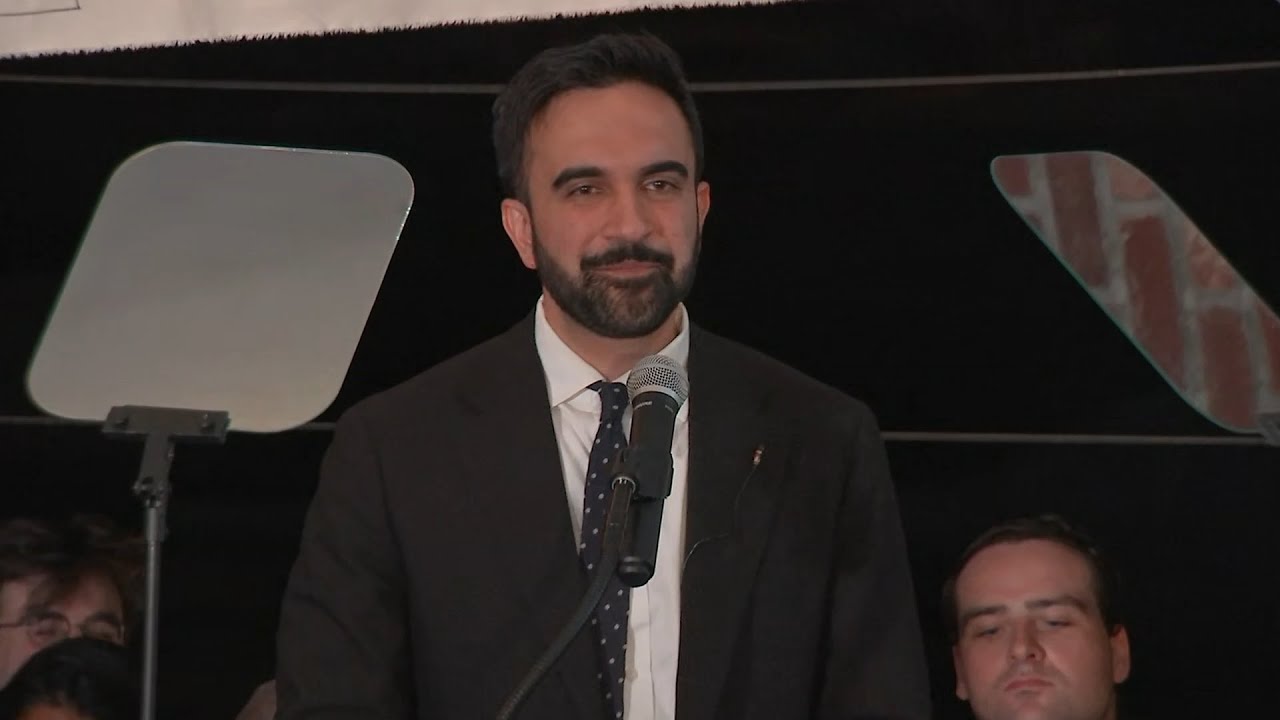

New York City politics has always had a flair for theatrics, but Mayor Zohran Mamdani is taking things in a direction that feels less like governance and more like a campaign that never ended. His latest initiative, Organize NYC, is being pitched as a wholesome effort to boost civic participation. Sounds nice on paper, right? Get people involved, attend hearings, make their voices heard. Who could possibly object to that?
Well, the details tell a different story.
The program was rolled out after a grand total of 400 people showed up to last year’s Rent Guidelines Board hearings. Apparently, that level of participation just won’t do. So now City Hall is stepping in to “help” by mobilizing volunteers to guide public turnout. Not broadly, not evenly across all viewpoints, but very specifically aimed at rent-stabilized tenants, the group most likely to support the mayor’s preferred rent policies.
This is where the whole thing starts to look less like civic engagement and more like political stage management.
The Rent Guidelines Board, for those keeping track, is supposed to be an independent body. It sets rent adjustments for roughly one million rent-stabilized units across the city. Mamdani, despite campaign promises to freeze rent immediately, learned the hard way that he cannot simply dictate those decisions himself. The law does not bend that easily, even in New York.
So instead of direct action, the administration is taking the scenic route.
Organize NYC will deploy volunteers through the mayor’s Office of Mass Engagement, led by Tascha Van Auken, to encourage tenants to attend hearings. Officially, these volunteers are not advocating for a specific outcome. They are just there to “educate.” Sure. And if you believe that, there is probably a bridge in Brooklyn available at a very reasonable price.
Critics argue this is essentially taxpayer-funded political organizing dressed up as public service. The mayor insists it is about participation. But when the government starts selectively mobilizing one side of a policy debate, it raises some uncomfortable questions about fairness and intent.
It gets even more interesting when you look at the money. Mamdani has warned of a looming budget crisis, yet his administration has already allocated $2 million for staff tied to this effort. Now there is additional energy being poured into recruiting and coordinating volunteers. Apparently, there is always funding available when it aligns with political priorities.
There are also legal concerns floating around. Rules governing public resources explicitly prohibit their use for non-city purposes. Whether organizing a turnout operation tied so closely to a campaign promise qualifies as a legitimate city function is, at best, debatable.
At its core, this situation highlights a familiar pattern. When direct authority is limited, politicians often look for indirect ways to achieve the same result. Organize NYC may be marketed as civic engagement, but the timing, structure, and target audience suggest something far more calculated.
Leave a Comment