
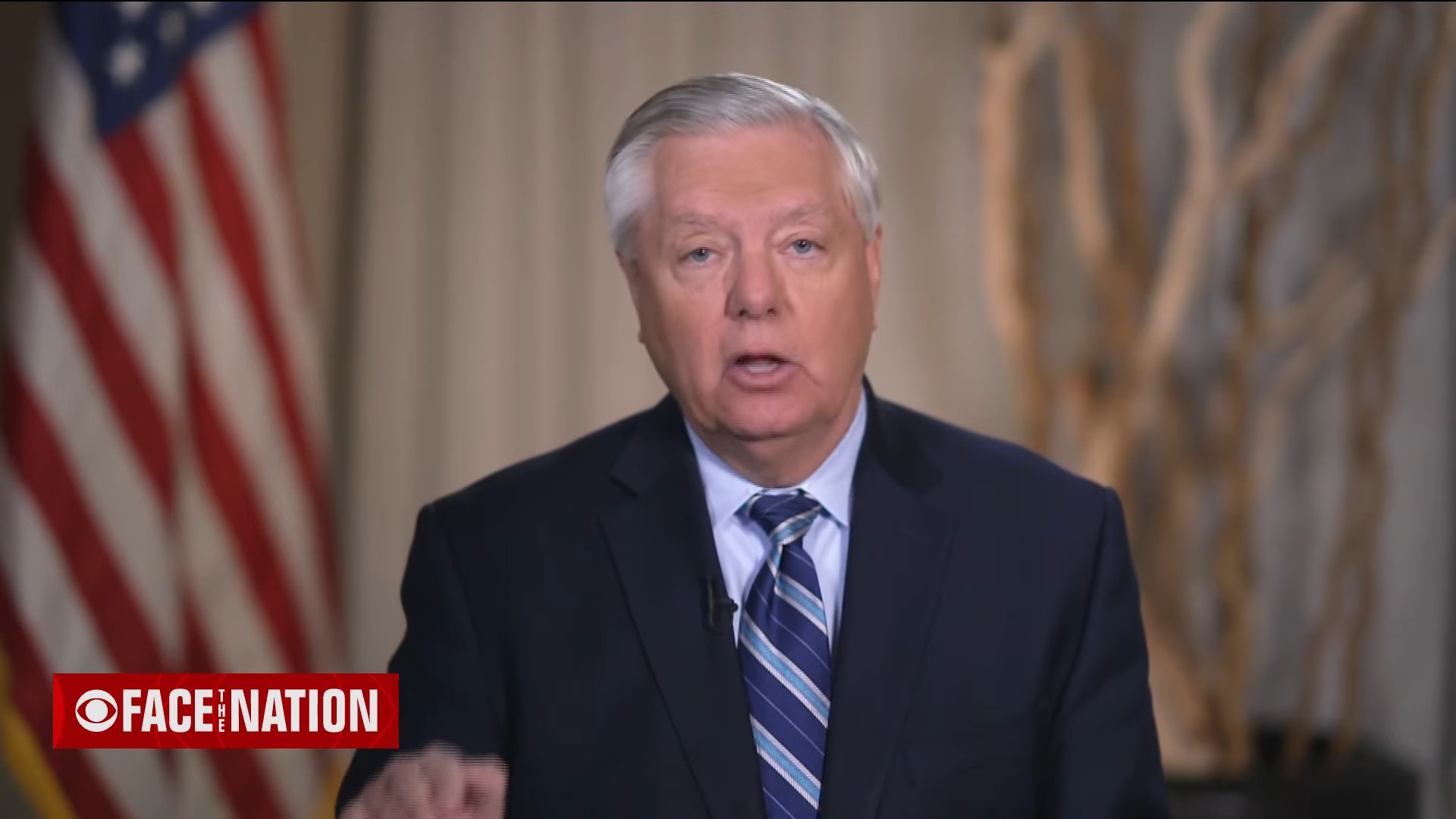

South Carolina Republicans have chosen interim U.S. Senator Darline Graham as their nominee for a full six-year term after a bruising runoff against U.S. Rep. Ralph Norman.
Graham’s victory Tuesday night caps an extraordinary political rise that began following the death of her brother, longtime Senator Lindsey Graham, on July 11.
Gov. Henry McMaster appointed Graham on July 13 to serve the remainder of her brother’s term, which expires in early January 2027. Shortly afterward, she announced that she would seek a full term of her own.
And she entered that fight with one endorsement that carries considerable weight in a Republican primary: President Trump.
The race initially featured 10 candidates. In the August 11 primary, Graham finished first with approximately 33 percent of the vote, while Norman took roughly 24 to 25 percent. U.S. Rep. Russell Fry finished third with about 20 percent, while former Gov. Mark Sanford was among the other candidates.
Nobody reached the majority required under South Carolina law, sending Graham and Norman into Tuesday’s runoff.
The head-to-head battle was considerably tighter.
As returns came in, Graham maintained a lead in the low-to-mid 50 percent range while Norman remained in the mid-to-high 40s. At 8:40 p.m. Eastern, Decision Desk HQ called the race for Graham with 69 percent of ballots counted. At that point, she led Norman by just under 14,000 votes, roughly a five-point advantage.
Norman needed a particularly strong performance in the Upstate and territory overlapping his congressional district to overcome Graham’s statewide advantage. The numbers simply didn’t materialize in sufficient strength.
President Trump’s endorsement was a major feature of Graham’s campaign. He encouraged her to run for the full term and later appeared alongside her at a campaign event in Myrtle Beach.
Graham also collected endorsements from McMaster, Sen. Tim Scott and several other Republican officials. Fry threw his support behind Graham after finishing third in the first round.
Norman, meanwhile, assembled his own roster of prominent supporters, including former South Carolina governors Nikki Haley and Mark Sanford and members of the House Freedom Caucus.
The runoff therefore became more than a contest between two candidates. It was another test of competing factions and personalities inside South Carolina Republican politics.
Graham’s résumé is also unusual for a newly minted Senate nominee. Before entering the Senate, she served as commissioner of the South Carolina Commission for the Blind and spent years advocating on disability issues. She entered the campaign with considerably less electoral experience than Norman, a real estate developer and veteran congressman first elected to the House in a 2017 special election.
Republican voters nevertheless chose Graham.
President Trump’s backing certainly gave her campaign a powerful boost, but endorsements alone don’t fill in bubbles on ballots. Graham still had to survive a 10-person primary and then defeat an experienced sitting congressman in a competitive runoff.
Now comes November.
Graham will face Democratic nominee Annie Andrews, a pediatrician who secured her party’s nomination in June.
South Carolina’s recent statewide voting history gives Republicans a substantial structural advantage heading into the general election. But Graham will now have to make the transition from appointed senator and primary candidate to GOP standard-bearer.
In barely six weeks, she went from being outside elected federal office to sitting in the United States Senate and winning the Republican nomination for a full term.
Washington careers have started in stranger ways, but not many.
Leave a Comment