

A growing divide inside the Democratic Party is becoming increasingly difficult to ignore, as two of the party’s most influential figures have lined up behind opposing candidates in Michigan’s closely watched U.S. Senate primary.
Sen. Elizabeth Warren has officially endorsed Abdul El-Sayed in the race to replace retiring Sen. Gary Peters, putting her at odds with Senate Minority Leader Chuck Schumer, who has thrown his support behind Rep. Haley Stevens. The competing endorsements underscore the ongoing battle between the Democratic Party’s progressive wing and its longtime establishment leadership.
Warren announced her endorsement Monday, just hours after Sen. Bernie Sanders and Rep. Alexandria Ocasio-Cortez appeared alongside El-Sayed during a campaign event in Michigan. The coordinated show of support signals that progressive leaders are making the race a major priority as they look to expand their influence within the Senate Democratic caucus.
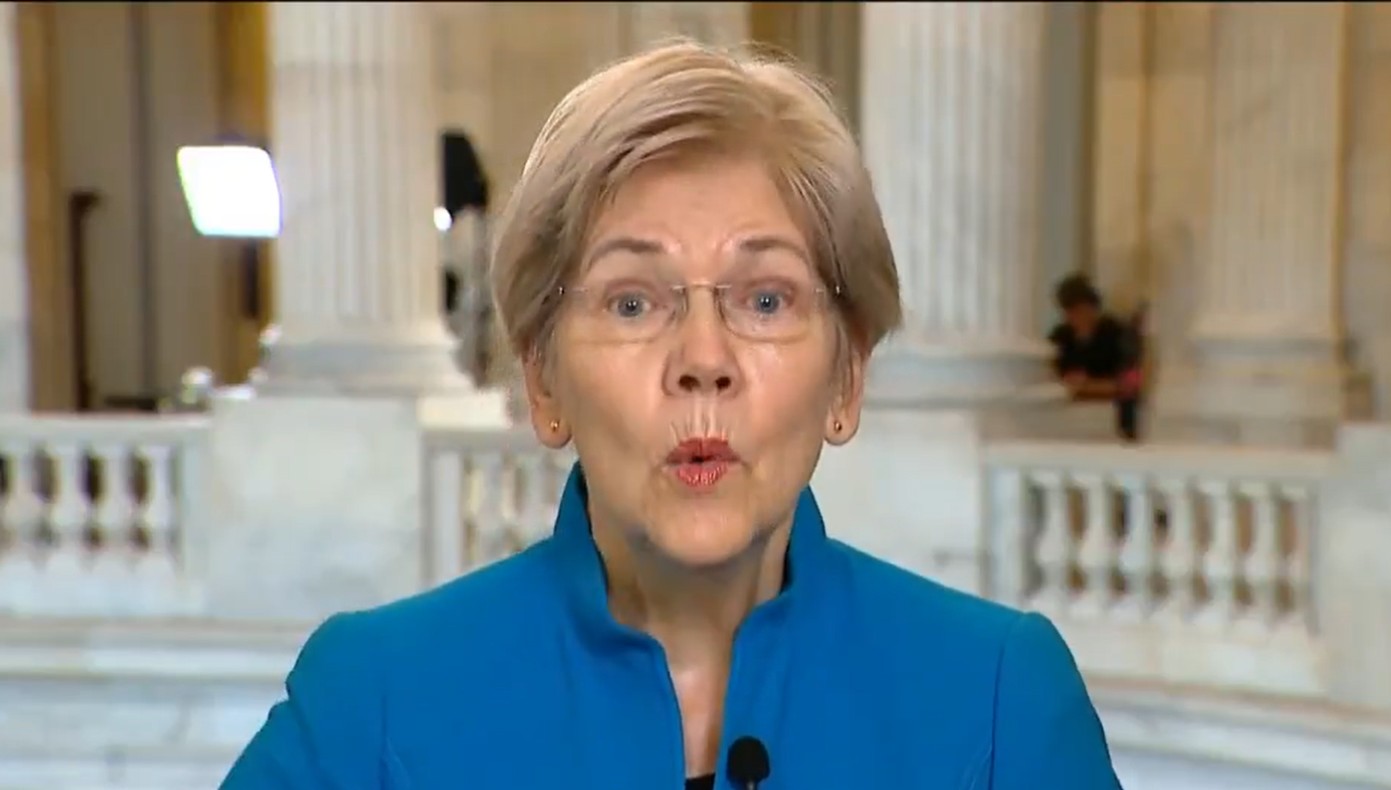
In a video announcing her endorsement, Warren praised El-Sayed’s campaign for rejecting corporate donations and embracing a progressive policy agenda.
“He’s the only candidate in this race not taking corporate money, and he’s fighting to get money out of politics altogether,” Warren said.
She continued by arguing that El-Sayed is uniquely positioned to energize Democratic voters heading into the general election.
“And make no mistake,” Warren said. “Abdul is the only candidate in this race who can build the grassroots movement needed to win in November. More money in your pocket, to get money out of politics and deliver ‘Medicare-for-all.’ Michigan, let’s get this done.”
The endorsement represents a change in direction for Warren, who had previously backed Michigan state Sen. Mallory McMorrow before McMorrow ended her campaign earlier this month. McMorrow had opposed “Medicare-for-all,” one of Warren’s signature policy proposals.
El-Sayed has also drawn criticism over previous social media posts advocating for efforts to “defund the police” by shifting taxpayer funding away from purchasing what he described as “war materiel to wage war in our streets.” Those past statements are expected to remain a point of contention throughout the campaign.
Meanwhile, Schumer has firmly aligned himself with Stevens after privately supporting her for months before making his endorsement public once the Democratic field narrowed.
“I think she has the best chance to win,” Schumer told Punchbowl News last month.
Stevens has assembled support from several prominent Senate Democrats, including Sens. Ruben Gallego of Arizona, Chris Coons of Delaware, and retiring Michigan Sen. Gary Peters. El-Sayed, meanwhile, has built a coalition anchored by Warren, Sanders, Ocasio-Cortez, Sen. Chris Van Hollen, and Rep. Ro Khanna.
The divide extends beyond Michigan. Warren and Schumer have also found themselves backing different candidates in other key races, highlighting broader disagreements over the party’s direction and leadership strategy.
Neither Stevens nor El-Sayed has committed to supporting Schumer as Democratic leader if they are elected to the Senate. El-Sayed has also stated that he has not spoken with Schumer during the campaign.
Instead, El-Sayed has openly portrayed his campaign as a challenge to the Democratic establishment. In comments to Politico, he argued that Schumer’s political strategy depends on relationships with major donors and corporate interests.
“Whole approach is that you get to go talk to the money people and then dole out their corporate money to help elect the people who are going to do the things that corporations want,” El-Sayed said.
“So, of course, they’re freaking out,” he added. “They’re not freaking out because they think I’m going to lose. They’re freaking out because they think I’m going to win.”
With Michigan expected to play a major role in determining the future direction of the Democratic Party, the primary has become far more than a contest between two candidates. It has evolved into another chapter in the ongoing struggle between the party’s progressive activists and its traditional leadership, a fight that could shape Democratic politics well beyond 2028.
Leave a Comment