
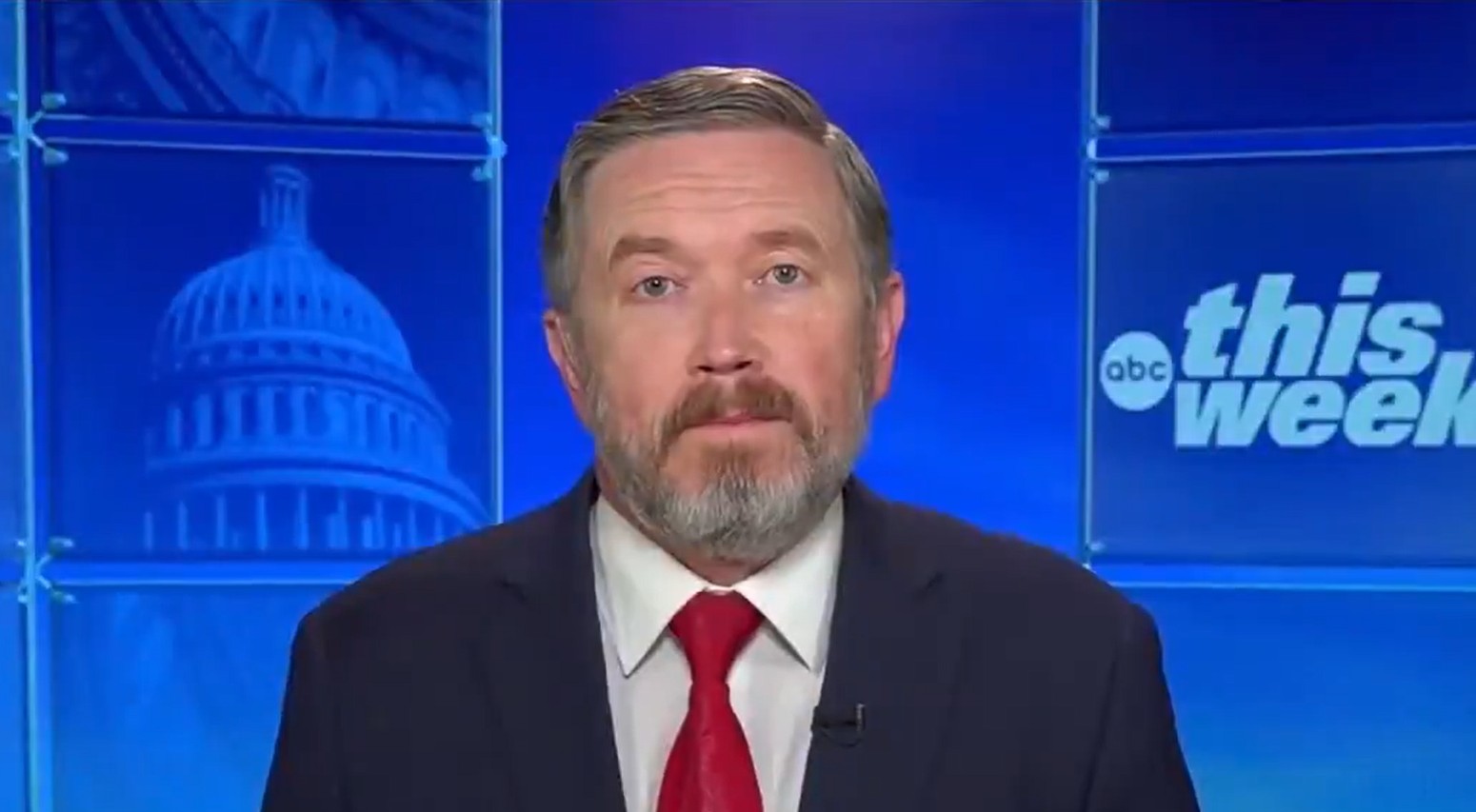

Republican Rep. Thomas Massie escalated his long-running fight with the Trump administration over presidential war powers Tuesday, introducing eight articles of impeachment against Defense Secretary Pete Hegseth and setting up a House confrontation over U.S. military operations in Iran and elsewhere.
The Kentucky Republican introduced the resolution on the House floor on September 15, accusing Hegseth of “high crimes and misdemeanors.” Because Massie brought the measure forward as a privileged resolution, House rules require lawmakers to address it within two legislative days, although Republican leaders can seek to table it rather than proceed directly toward impeachment.
Massie’s first three articles center on the War Powers Resolution of 1973 and the continuing U.S. conflict with Iran.
The resolution alleges that Hegseth participated in military operations without a declaration of war or specific statutory authorization from Congress. Massie further argues that Hegseth continued those operations after congressional efforts directing an end to U.S. hostilities and after the time limits contained in the War Powers Resolution had expired.
“By engaging in hostilities in Iran for more than 90 days without congressional authorization, Secretary Hegseth is breaking the law and must be held accountable,” Massie said in a statement.
The accusations extend well beyond Iran.
Two articles concern civilian casualties and U.S. military strikes against suspected drug-trafficking vessels. Massie alleges that Hegseth failed to comply with civilian-protection requirements and improperly substituted lethal military action for traditional maritime law enforcement against suspected traffickers in the Caribbean and eastern Pacific. Those claims are allegations contained in the impeachment resolution, not judicial findings that Hegseth violated the law.
Another article involves Democratic Sen. Mark Kelly of Arizona. Massie accuses Hegseth of improperly retaliating against Kelly after the senator participated in a video reminding military personnel of their obligation to reject unlawful orders.
Massie also targets Hegseth’s role in the U.S. military operation that captured Venezuelan leader Nicolás Maduro and his wife, Cilia Flores, in Caracas. The impeachment resolution characterizes the operation as the “Kidnapping of a Sovereign Foreign Leader” and alleges that it lacked constitutional or legal authority.
The eighth article addresses Operation Rough Rider in Yemen. Massie alleges that the operation began without congressional authorization or an imminent threat to the United States and raises additional allegations involving civilian casualties, strikes on protected persons and failures to comply with war-powers reporting requirements.
After spending more than an hour presenting his case on the House floor, Massie accused Hegseth of subordinating legal and constitutional restrictions on military force to his own policy objectives.
The Pentagon has defended Hegseth. Reuters reported that the department reaffirmed its support for the defense secretary following Massie’s announcement.
The impeachment effort adds another chapter to the broader constitutional dispute over how military authority is divided between Congress and the executive branch. It also guarantees lawmakers will have to address Massie’s resolution quickly, putting the disagreement over Hegseth and presidential war powers directly before the Republican-controlled House.
Leave a Comment