
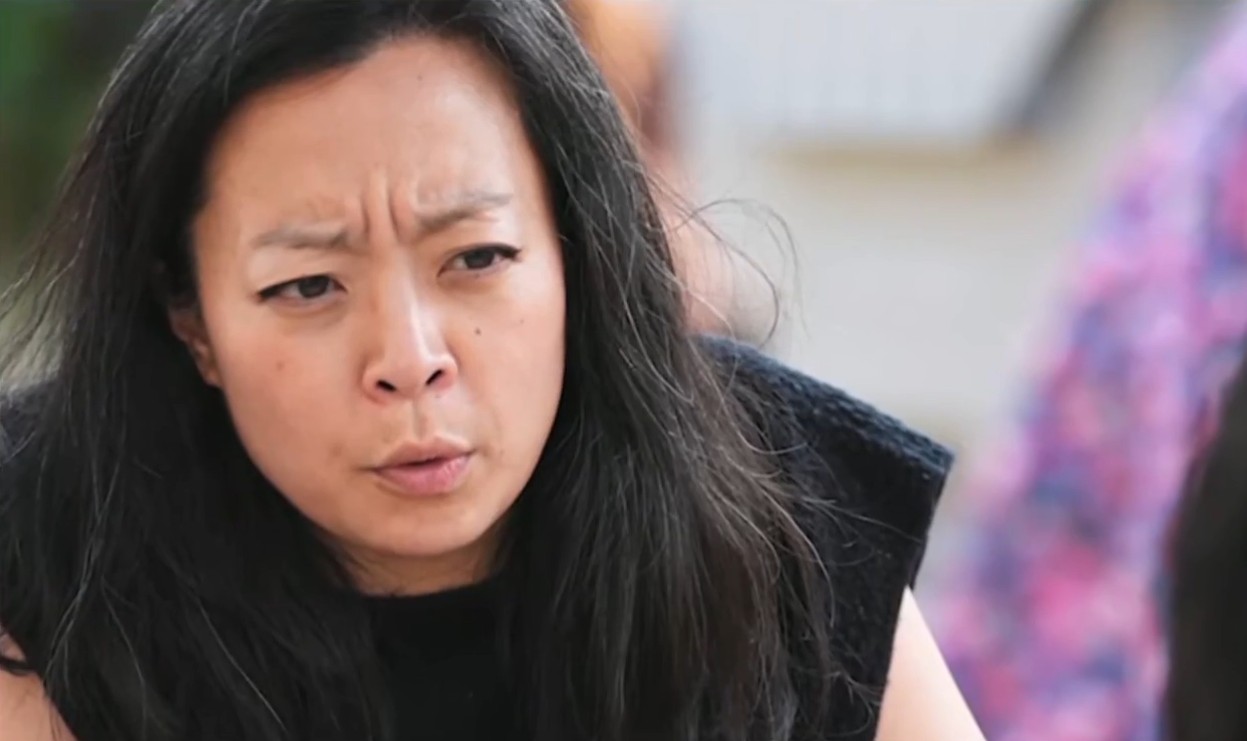

Wisconsin State Rep. Francesca Hong is facing renewed scrutiny after an old social media post resurfaced, contradicting a recent claim from her campaign as she continues to lead the Democratic primary for governor.
The controversy began after Republican Rep. Tom Tiffany criticized Hong’s record, arguing that she had previously supported abolishing the police, prisons, and even the United States Senate. Hong’s campaign responded by accusing Tiffany of fabricating her position on the Senate, insisting there was no statement supporting his claim.
That defense quickly unraveled.
A post from Hong’s own X account, dated February 13, 2021, plainly reads: “Abolish the Senate.”
The message remained publicly available even as her campaign denied such a statement existed, allowing critics to circulate side-by-side images showing the campaign’s denial alongside Hong’s original post.
The exchange immediately shifted the focus away from whether Hong still holds that position and toward the accuracy of her campaign’s response.
According to Fox News, Hong’s campaign initially maintained she had never advocated abolishing the Senate. After Tiffany’s campaign directed reporters to the 2021 post, her team changed its explanation.
Campaign officials said Hong did not remember writing the post and argued that it no longer reflects her current views.
They also explained the timing of the statement, noting it was published one day after the Senate acquitted President Trump during his second impeachment trial. Although a majority of senators voted to convict, the effort failed to reach the two-thirds threshold required for removal from office.
Hong’s campaign characterized the post as an emotional reaction to that outcome rather than a carefully considered policy proposal.
That explanation may address why the message was written, but it does not resolve the contradiction created by the campaign’s earlier denial that the statement existed at all.
Tiffany has since incorporated the episode into his broader criticism of Hong, arguing it reflects a pattern of promoting far-left positions before later distancing herself from them during a statewide campaign.
The Senate controversy is not the only issue drawing attention to Hong’s past positions.
Her campaign has also acknowledged that she previously discussed police abolition and prison abolition as long-term aspirations. However, campaign officials now say she would not pursue either policy if elected governor.
Likewise, the campaign says Hong does not support eliminating national borders or abolishing the presidency and does not necessarily agree with every position associated with the Democratic Socialists of America.
Although Hong is not formally endorsed by the national Democratic Socialists of America organization, her campaign website lists endorsements from DSA chapters in Madison, Milwaukee, and northeastern Wisconsin.
The timing of the controversy is significant because Hong currently leads the Democratic primary.
According to the latest Marquette Law School Poll, Hong receives 38 percent support among Democratic primary voters. Former Lt. Gov. Mandela Barnes, before suspending his campaign, stood at 16 percent, while Milwaukee County Executive David Crowley registered 7 percent.
A sizable number of Democratic voters remain undecided heading into the August 11 primary, leaving room for movement during the campaign’s final days.
The same Marquette survey found that 52 percent of Wisconsin voters believe the state’s Democratic Party has become too liberal. Among independent voters, that figure increased to 59 percent, suggesting ideological positioning could become an important issue in the general election.
For Hong, the challenge now extends beyond explaining a five-year-old social media post. Her campaign must also answer questions about why it initially denied the existence of a statement that remained publicly available.
Candidates frequently evolve on policy issues over time, and voters often accept that opinions can change. What tends to receive greater scrutiny is when campaigns categorically deny documented statements before later acknowledging them.
As Wisconsin Democrats prepare to choose their nominee, voters now have both Hong’s original post and her campaign’s changing explanations available for comparison. With the primary approaching, those competing narratives are likely to remain part of the debate over who should lead the party into November.
Leave a Comment