
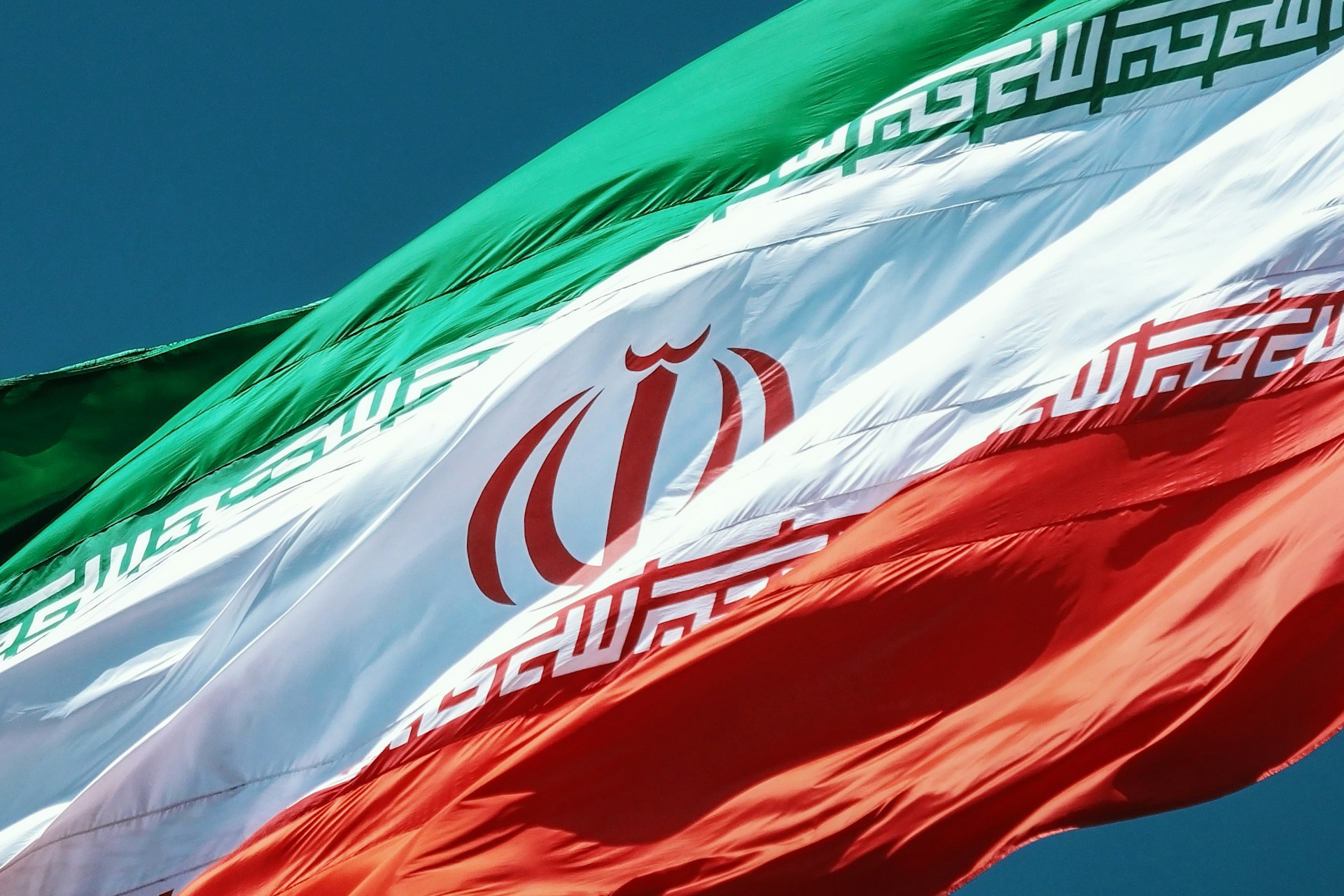

Israel delivered an extraordinarily blunt warning to Iran on Thursday, threatening to cripple the country’s military, civilian and energy infrastructure if Tehran launches another attack against the Jewish state.
Israeli Defense Minister Israel Katz made the threat while speaking to Defense Ministry employees as tensions across the Middle East continue to rise.
“An Iranian attack on Israel would free Israel from any existing limitations on attacking Iran,” Katz said.
Then he made perfectly clear what removing those limitations could mean.
“We will cripple all of Iran’s national military and civilian infrastructure — including energy infrastructure — and return Iran deep into the Stone Age and darkness,” Katz added.
That is not exactly diplomatic language carefully engineered to leave everybody wondering what Israel meant.
Katz is telling Tehran that another attack could fundamentally change Israel’s approach to the conflict. Rather than limiting retaliation, Israel could potentially broaden its target list to include infrastructure critical to Iran’s economy and daily operations.
The warning arrives during another dangerous period in the region.
American and Iranian forces recently exchanged their most intense round of attacks since July. U.S. forces struck targets along Iran’s southern coastline this week, while Tehran responded by firing at American military installations throughout the Middle East.
That exchange has naturally placed Israel on heightened alert.
Katz said Israel is prepared for both defensive and offensive operations if Iran chooses to strike. Israeli defensive systems are reportedly on alert, while the Israel Defense Forces are prepared to respond militarily.
The defense minister also pointed toward Iran’s deteriorating internal economic conditions and the regime’s concerns about possible unrest.
According to Katz, those pressures could push Iranian leaders toward “desperate measures.”
That possibility should not be dismissed. Governments facing serious trouble at home have historically had an incentive to redirect public attention toward foreign enemies. Iran’s leadership already has two convenient targets in Israel and the United States, countries the regime has spent decades portraying as enemies.
But threatening Israel would be considerably easier than absorbing the retaliation Katz is describing.
Iran possesses significant military capabilities, including missiles and drones, and the broader network of Iranian-backed forces has complicated Middle Eastern security for years. Israel, however, has repeatedly demonstrated both the ability and willingness to conduct sophisticated military operations far beyond its borders.
Meanwhile, President Trump and the United States are applying their own pressure against Tehran.
That leaves Iranian leaders facing a dangerous calculation. Another major attack against Israel could trigger precisely the broader Israeli response that Tehran would presumably prefer to avoid, while additional attacks on American forces risk bringing even greater U.S. military power into the equation.
There is, of course, an important distinction between striking military targets and deliberately attacking civilian infrastructure. Any military operation still faces obligations under the laws governing armed conflict. Katz’s rhetoric makes the potential scope of Israeli retaliation sound enormous, but what Israel would actually target during a future conflict would depend on circumstances on the ground.
For now, the purpose of the warning appears unmistakable: deterrence.
Israel wants Iranian leaders to understand that the price of another attack may be substantially higher than whatever Tehran believes it could gain.
The Iranian regime now gets to decide whether testing that warning is worth the gamble.
Considering Katz just publicly introduced “Stone Age and darkness” into the conversation, Tehran might want to think very carefully before answering.
Leave a Comment